- 0
- 1,040 word
The gaming industry has always been at the forefront of technological innovation. From pixelated 8-bit worlds to photorealistic open environments, each advancement has reshaped how players experience games. Today, two groundbreaking technologies—Virtual Reality (VR) and Augmented Reality (AR)—are competing to define the future of gaming.
Both VR and AR promise immersive experiences, but they take very different approaches. This raises an important question for gamers, developers, and investors alike: VR vs AR in gaming— which technology will win?
In this in-depth guide, we’ll explore how VR and AR work, their strengths and weaknesses, current gaming applications, market trends, and ultimately which technology has the edge in the gaming industry.
Understanding Virtual Reality (VR) in Gaming
What Is Virtual Reality?
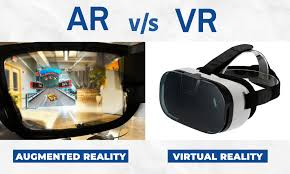
Virtual Reality (VR) is a technology that immerses players in a fully digital environment. By wearing a VR headset such as the Meta Quest, PlayStation VR2, or HTC Vive, players are transported into a 3D world that blocks out the real environment entirely.
Using motion controllers, hand tracking, and head movement, VR allows gamers to interact naturally with virtual worlds.
How VR Is Used in Gaming
VR gaming focuses on total immersion. Players can:
- Look around freely in 360 degrees
- Physically move, aim, and interact
- Experience realistic depth and scale
Popular VR games include:
- Half-Life: Alyx
- Beat Saber
- Boneworks
- Resident Evil VR
These games demonstrate VR’s ability to create emotional intensity and realism unmatched by traditional gaming platforms.
Advantages of VR in Gaming
- Full Immersion
VR places players directly inside the game world, creating a deep sense of presence. - Enhanced Realism
First-person perspectives, spatial audio, and realistic physics make gameplay feel lifelike. - New Gameplay Mechanics
VR introduces physical movement, gesture-based controls, and room-scale interaction. - Strong Appeal for Hardcore Gamers
Enthusiasts and competitive players appreciate VR’s intensity and realism.
Challenges of VR Gaming
- High Cost: Headsets and compatible hardware can be expensive.
- Physical Space Requirements: Many VR games need room to move.
- Motion Sickness: Some players experience discomfort.
- Limited Mainstream Adoption: VR is still a niche compared to consoles and mobile gaming.
Understanding Augmented Reality (AR) in Gaming
What Is Augmented Reality?
Augmented Reality (AR) overlays digital elements onto the real world. Instead of replacing reality, AR enhances it using smartphones, tablets, or AR glasses.
Unlike VR, AR allows players to stay aware of their surroundings while interacting with virtual objects.
How AR Is Used in Gaming
AR gaming blends real and virtual environments. Players can:
- See game characters in real locations
- Interact with virtual objects using real-world movement
- Play games anywhere without special hardware
Popular AR games include:
- Pokémon GO
- Harry Potter: Wizards Unite
- Minecraft Earth (discontinued but influential)
Advantages of AR in Gaming
- Accessibility
AR games run on smartphones, making them easy for millions to play. - Social and Outdoor Interaction
AR encourages real-world movement and social engagement. - Low Entry Barrier
No expensive headsets or gaming PCs required. - Mass Market Appeal
Casual gamers are more likely to try AR games.
Challenges of AR Gaming
- Limited Immersion: AR cannot fully immerse players like VR.
- Hardware Constraints: Smartphone processing power limits complexity.
- Environmental Dependence: Lighting and space affect gameplay quality.
- Fewer AAA Titles: AR lacks deep, long-form gaming experiences.
VR vs AR in Gaming: Key Differences
| Feature | Virtual Reality (VR) | Augmented Reality (AR) |
|---|---|---|
| Immersion | Fully immersive | Partially immersive |
| Hardware | Headsets & controllers | Smartphones or AR glasses |
| Cost | High | Low |
| Accessibility | Limited | High |
| Gameplay Depth | Deep & realistic | Casual & social |
| Main Audience | Hardcore gamers | Casual & mobile gamers |
Market Trends and Industry Growth
VR Gaming Market Growth
VR gaming continues to grow steadily due to:
- Improved headset technology
- Standalone VR devices (no PC required)
- Increased investment from tech giants
Major companies like Meta, Sony, and Valve are heavily investing in VR ecosystems, signaling long-term commitment.
AR Gaming Market Growth
AR gaming experienced explosive growth with Pokémon GO, proving its mass appeal. AR benefits from:
- Smartphone penetration worldwide
- Advancements in AR frameworks like ARKit and ARCore
- Future AR glasses from Apple and other tech leaders
AR’s potential audience is significantly larger than VR’s due to accessibility.
Which Technology Offers Better Gaming Experience?
Immersion: VR Wins
When it comes to immersion, VR is unmatched. Players feel present inside the game world, making VR ideal for:
- First-person shooters
- Horror games
- Simulation games
Accessibility: AR Wins
AR is far more accessible. Anyone with a smartphone can play AR games, making it perfect for:
- Casual gamers
- Family-friendly experiences
- Location-based gameplay
Social Interaction: AR Has the Edge
AR encourages social play and real-world interaction, while VR is often a solitary experience.
Longevity and Content Depth: VR Leads
VR supports long, story-driven, and competitive games. AR games tend to be short-session experiences.
The Role of AI and the Metaverse
Both VR and AR will benefit massively from:
- Artificial Intelligence (AI)
- Cloud computing
- The Metaverse concept
VR is expected to dominate virtual worlds and metaverse gaming, while AR will play a crucial role in blending digital life with the real world.
VR vs AR: Which Technology Will Win in Gaming?
The answer isn’t as simple as choosing one winner.
Short Answer: Both Will Win—In Different Ways
- VR will dominate immersive, hardcore, and high-end gaming experiences.
- AR will lead casual, mobile, and socially connected gaming.
If we define “winning” by player numbers, AR may come out ahead due to its accessibility.
If we define “winning” by depth and immersion, VR is the clear champion.
Future Predictions for VR and AR Gaming
- Hybrid Experiences Will Rise
Games may combine VR and AR elements. - Hardware Will Become Cheaper
Lower costs will boost adoption for both technologies. - AR Glasses Will Change Everything
Lightweight AR wearables could revolutionize gaming. - VR Will Become More Comfortable
Better ergonomics and reduced motion sickness will attract more players.
Final Verdict
VR vs AR in gaming is not a battle of elimination, but evolution.
VR offers unparalleled immersion and depth, making it the future of premium gaming experiences. AR, on the other hand, excels in accessibility, social engagement, and real-world integration.
In the long run, the gaming industry will embrace both technologies, each serving different audiences and purposes. Rather than asking which will win, the better question is:
How will VR and AR together redefine the future of gaming?
If you want, I can also:
- Optimize this article for specific keywords
- Rewrite it for blog, Medium, or LinkedIn
- Add FAQs, schema markup, or meta descriptions
- Adjust tone for affiliate or monetized sites
Just tell me 👍
Author

kalenunknown@gmail.com
Related Posts
Gaming Accessories: The Ultimate Guide to Enhancing Your Gaming Experience
- 0
- 810 words
Gaming has evolved far beyond being just a hobby. In the United States, gaming is now a mainstream form of entertainment, competition,...
Read out all
Premium Games: The Ultimate Gaming Experience for Serious Players in the USA
- 0
- 931 words
The gaming industry in the United States has evolved far beyond casual entertainment. Today, gaming is a lifestyle, a competitive arena, and...
Read out all
Gaming Monitors Explained: Refresh Rate, Response Time, and Beyond
- 0
- 972 words
In the fast-evolving world of PC and console gaming, a gaming monitor can be just as important as your GPU or CPU....
Read out all
How 5G Technology Is Powering Mobile Gaming
- 0
- 1,037 word
The mobile gaming industry has experienced explosive growth over the past decade, evolving from simple puzzle games into console-quality experiences played by...
Read out all
Gaming Laptops vs Gaming PCs: Performance Tech Breakdown
- 0
- 884 words
The debate between gaming laptops vs gaming PCs has been ongoing for years, and in 2026 the choice is more nuanced than...
Read out all
Technology Behind Pro-Level Performance
- 0
- 1,070 word
Introduction: How Technology Is Redefining Elite Performance In today’s hyper-competitive world, pro-level performance is no longer driven by talent alone. From elite...
Read out all