
- 0
- 1,080 word
The gaming industry has evolved far beyond simple entertainment. Today, it stands at the intersection of innovation, creativity, and cutting-edge technology. As next-generation technologies continue to emerge, gaming has become a powerful testing ground for advancements such as artificial intelligence (AI), virtual reality (VR), augmented reality (AR), cloud computing, blockchain, and high-performance hardware. This convergence is redefining how games are developed, played, and experienced—transforming gaming into one of the most dynamic digital ecosystems in the world.
In this article, we explore how gaming meets next-gen technology, the innovations driving this evolution, and what the future holds for gamers and developers alike.
The Evolution of Gaming Technology
Gaming has come a long way since the days of pixelated graphics and limited gameplay mechanics. Early consoles and arcade games relied on basic processing power and simple controls. Today’s gaming systems, however, rival high-end computers and leverage advanced technologies to deliver immersive, cinematic experiences.
The shift toward next-gen gaming has been driven by three major factors:
- Rapid hardware advancements
- Innovative software development
- Increased demand for realism and interactivity
These elements have laid the foundation for a new era where gaming is no longer confined to screens but extends into virtual worlds, cloud platforms, and even real-world environments.
Next-Generation Graphics and Hardware
Real-Time Ray Tracing and Ultra-Realistic Visuals
One of the most significant breakthroughs in modern gaming is real-time ray tracing. This technology simulates how light behaves in the real world, resulting in more realistic shadows, reflections, and lighting effects. Games now feature environments that look almost indistinguishable from real life, enhancing immersion and emotional engagement.
High-performance GPUs, faster CPUs, and solid-state drives (SSDs) allow games to load instantly and render massive open worlds seamlessly. Next-gen consoles and gaming PCs are designed to handle higher frame rates, 4K—and even 8K—resolutions, and complex physics engines.
Performance Meets Accessibility
While top-tier hardware powers premium gaming experiences, next-gen technology is also making gaming more accessible. Cloud-based solutions reduce the need for expensive equipment, allowing players to enjoy high-quality games on standard devices.
Artificial Intelligence: Smarter Games, Smarter Experiences
Artificial intelligence is revolutionizing the way games are designed and played. AI is no longer limited to controlling non-player characters (NPCs); it now shapes entire game ecosystems.
Adaptive Gameplay and Intelligent NPCs
Modern AI enables NPCs to learn from player behavior, adapt strategies, and respond more realistically. This creates dynamic gameplay where no two playthroughs are exactly the same. Enemies become smarter, allies more helpful, and worlds more reactive.
AI in Game Development
Game developers use AI for:
- Procedural content generation
- Bug detection and testing
- Animation and voice synthesis
- Personalized player experiences
AI-driven analytics help developers understand player preferences, improving game balance and engagement while reducing development time and cost.
Virtual Reality and Augmented Reality: Immersion Redefined
Virtual Reality (VR) Gaming
Virtual reality represents one of the most exciting frontiers in next-gen gaming technology. With VR headsets and motion tracking, players are no longer observers—they become participants inside the game world.
VR gaming offers:
- Full 360-degree environments
- Natural interaction through motion controls
- Deep emotional and sensory immersion
From action adventures to simulation and training games, VR is changing how players connect with digital worlds.
Augmented Reality (AR) and Mixed Reality
Augmented reality blends digital elements with the real world, creating interactive experiences that extend beyond the screen. Mobile AR games and wearable technology demonstrate how gaming can merge seamlessly with daily life.
AR opens opportunities for:
- Location-based gaming
- Social and multiplayer interaction
- Educational and fitness-oriented experiences
Cloud Gaming and the Future of Game Accessibility
Cloud gaming is transforming the gaming landscape by eliminating hardware limitations. Instead of running games locally, cloud platforms stream gameplay from remote servers directly to players’ devices.
Benefits of Cloud Gaming
- Play high-end games on low-spec devices
- No downloads or updates required
- Instant access to large game libraries
- Cross-platform compatibility
This technology democratizes gaming, allowing more players worldwide to access next-gen experiences regardless of their device or location.
Challenges and Opportunities
While cloud gaming depends heavily on fast and stable internet connections, ongoing advancements in 5G and edge computing are rapidly improving performance and reducing latency.
Blockchain, NFTs, and the Rise of Digital Ownership
Blockchain technology is introducing new economic models into gaming. Through decentralized systems, players can truly own in-game assets such as skins, characters, and virtual land.
Play-to-Earn and Digital Economies
Blockchain-based games enable:
- Secure asset ownership
- Transparent marketplaces
- Play-to-earn mechanics
Players can trade or sell digital items outside the game ecosystem, creating real-world value from virtual achievements.
The Future of Blockchain Gaming
While still evolving, blockchain gaming has the potential to reshape player engagement by combining entertainment, investment, and community-driven development.
Social, Competitive, and Metaverse Gaming
Online Multiplayer and Esports
Next-gen technology has elevated competitive gaming into a global phenomenon. Esports tournaments attract millions of viewers, professional players, and major sponsorships.
Advanced networking, low-latency servers, and AI-powered matchmaking systems ensure fair, competitive, and engaging online experiences.
The Metaverse Connection
Gaming is playing a crucial role in the development of the metaverse—persistent virtual spaces where players can socialize, work, and create. These interconnected digital worlds blend gaming, social media, and virtual economies into a unified experience.
The Impact of Next-Gen Gaming on Other Industries
Gaming technology influences more than entertainment. Innovations developed for gaming are now applied in:
- Education and training simulations
- Healthcare and therapy
- Architecture and design
- Automotive and aerospace industries
This cross-industry impact highlights gaming’s role as a driver of technological progress.
What the Future Holds: Where Gaming Is Headed Next
As gaming meets next-gen technology, the future promises even more groundbreaking developments:
- Hyper-realistic AI companions
- Fully immersive VR worlds
- Seamless integration of physical and digital realities
- Personalized gaming experiences powered by data and machine learning
Sustainability, inclusivity, and ethical technology use will also shape the next chapter of gaming innovation.
Conclusion
The convergence of gaming and next-generation technology is redefining digital entertainment. From AI-driven gameplay and ultra-realistic graphics to cloud gaming and immersive virtual worlds, gaming has become a showcase for the most advanced technologies of our time.
As these innovations continue to evolve, gaming will not only entertain but also educate, connect, and inspire. Where gaming meets next-gen technology, the possibilities are limitless—and the journey has only just begun.
If you’d like, I can also:
- Optimize this article further for specific SEO keywords
- Rewrite it for blog, magazine, or website landing pages
- Add meta title, meta description, and FAQs
- Localize it for a specific country or audience
Just tell me!
Author

kalenunknown@gmail.com
Related Posts

Gaming Accessories: The Ultimate Guide to Enhancing Your Gaming Experience
- 0
- 810 words
Gaming has evolved far beyond being just a hobby. In the United States, gaming is now a mainstream form of entertainment, competition,...
Read out all
Premium Games: The Ultimate Gaming Experience for Serious Players in the USA
- 0
- 931 words
The gaming industry in the United States has evolved far beyond casual entertainment. Today, gaming is a lifestyle, a competitive arena, and...
Read out all
Gaming Monitors Explained: Refresh Rate, Response Time, and Beyond
- 0
- 972 words
In the fast-evolving world of PC and console gaming, a gaming monitor can be just as important as your GPU or CPU....
Read out all
How 5G Technology Is Powering Mobile Gaming
- 0
- 1,037 word
The mobile gaming industry has experienced explosive growth over the past decade, evolving from simple puzzle games into console-quality experiences played by...
Read out all
Gaming Laptops vs Gaming PCs: Performance Tech Breakdown
- 0
- 884 words
The debate between gaming laptops vs gaming PCs has been ongoing for years, and in 2026 the choice is more nuanced than...
Read out all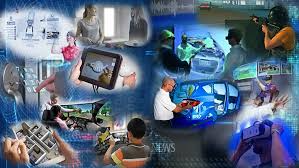
Technology Behind Pro-Level Performance
- 0
- 1,070 word
Introduction: How Technology Is Redefining Elite Performance In today’s hyper-competitive world, pro-level performance is no longer driven by talent alone. From elite...
Read out all