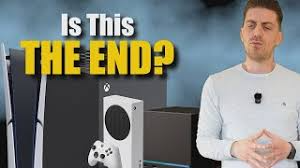
The gaming industry is undergoing one of the most significant transformations in its history. For decades, gamers have relied on powerful consoles, high-end PCs, and frequent hardware upgrades to enjoy the latest titles. Today, however, cloud gaming is reshaping how games are played, accessed, and distributed. With major tech companies investing heavily in this space, a pressing question arises: Is gaming hardware becoming obsolete?
In this in-depth article, we’ll explore the rise of cloud gaming, how it works, its advantages and limitations, its impact on traditional gaming hardware, and what the future holds for gamers and the industry as a whole.
What Is Cloud Gaming?
Cloud gaming, also known as game streaming, allows players to run video games on remote servers instead of local devices. The game is processed in powerful data centers, and the video output is streamed directly to the player’s screen over the internet. User inputs—such as keyboard, mouse, or controller actions—are sent back to the server in real time.
Popular cloud gaming platforms include:
- NVIDIA GeForce NOW
- Xbox Cloud Gaming (formerly xCloud)
- PlayStation Plus Cloud Streaming
- Amazon Luna
Unlike traditional gaming, cloud gaming eliminates the need for expensive hardware upgrades, as the heavy processing is done remotely.
Why Cloud Gaming Is Growing Rapidly
1. Accessibility for Everyone
One of the biggest drivers of cloud gaming’s popularity is accessibility. Players no longer need a gaming PC or next-generation console. A stable internet connection and a compatible device—such as a smartphone, tablet, smart TV, or low-end laptop—are enough.
This opens gaming to a wider audience, especially in regions where consoles and gaming PCs are expensive or difficult to obtain.
2. No More Costly Hardware Upgrades
Traditional gaming often requires upgrading GPUs, CPUs, or entire systems every few years. Cloud gaming shifts this burden to service providers, who maintain and upgrade their servers behind the scenes.
Gamers can enjoy high-end performance without spending thousands on hardware, making gaming more affordable in the long run.
3. Instant Play and Convenience
Cloud gaming eliminates lengthy downloads, installations, and updates. Games can be launched instantly, saving time and storage space. This “click-and-play” model aligns perfectly with modern consumer expectations for convenience.
4. Cross-Platform Gaming
Most cloud gaming services work across multiple devices. Players can start a game on their TV, continue on their laptop, and finish on their phone without losing progress. This seamless experience is difficult to achieve with traditional hardware-based gaming.
How Cloud Gaming Compares to Traditional Gaming Hardware
Performance and Graphics
Modern cloud gaming servers often use top-tier GPUs capable of delivering high frame rates, ray tracing, and 4K resolution. In theory, cloud gaming can outperform many consumer-grade systems.
However, performance heavily depends on internet speed, latency, and stability. While local hardware provides consistent performance, cloud gaming can suffer from lag or compression artifacts if network conditions are poor.
Latency and Input Lag
Latency is one of the biggest challenges for cloud gaming. Even small delays can impact fast-paced genres like first-person shooters or competitive esports.
Although improvements in network infrastructure, 5G, and edge computing have reduced latency significantly, local hardware still offers the most responsive experience for competitive players.
Ownership vs. Access
With traditional hardware, gamers own physical or digital copies of games. Cloud gaming often operates on subscription-based models, raising concerns about long-term access, game availability, and digital ownership.
Is Gaming Hardware Really Becoming Obsolete?
The Short Answer: Not Yet
While cloud gaming is growing rapidly, gaming hardware is far from obsolete. Instead, the industry is moving toward a hybrid future where both models coexist.
Consoles and PCs Still Matter
Hardcore gamers, esports professionals, and enthusiasts still prefer dedicated hardware for:
- Zero or minimal latency
- Offline play
- Modding support
- Full control over settings and performance
High-end gaming PCs and consoles continue to deliver premium experiences that cloud gaming hasn’t fully replaced.
Hardware Is Evolving, Not Disappearing
Rather than becoming obsolete, hardware is evolving. Devices are becoming more cloud-focused, optimized for streaming, and less dependent on raw processing power. Smart TVs, handheld devices, and lightweight laptops are increasingly designed with cloud gaming in mind.
The Role of Internet Infrastructure in Cloud Gaming’s Future
Cloud gaming’s success depends heavily on global internet infrastructure. Key factors include:
- High-speed broadband availability
- Low-latency connections
- 5G and future 6G networks
- Edge computing and local data centers
As these technologies improve, cloud gaming will become more reliable and widely adopted, especially in developing markets.
Benefits of Cloud Gaming for Developers and Publishers
Cloud gaming isn’t just beneficial for players—it also offers major advantages for developers and publishers:
- Reduced piracy risks
- Easier updates and patches
- Wider global reach
- Hardware-agnostic development
Developers can focus on optimizing games for a single server environment rather than multiple hardware configurations.
Challenges and Limitations of Cloud Gaming
Despite its promise, cloud gaming still faces several challenges:
1. Internet Dependency
Without a fast and stable internet connection, cloud gaming is nearly impossible. This limits adoption in rural or underserved areas.
2. Data Usage Concerns
Streaming high-quality games consumes large amounts of data, which can be problematic for users with data caps or limited bandwidth.
3. Limited Game Libraries
Some cloud gaming services lack access to popular titles due to licensing issues, which can frustrate gamers accustomed to extensive libraries.
4. Subscription Fatigue
With multiple cloud gaming platforms offering subscriptions, players may feel overwhelmed by recurring costs.
Cloud Gaming and the Future of the Gaming Industry
The future of gaming is likely to be platform-agnostic. Instead of choosing between PC, console, or mobile, players will choose where and how they want to play.
We can expect:
- Deeper integration with smart TVs and mobile devices
- Growth in cloud-native games designed specifically for streaming
- Expansion of game streaming in emerging markets
- Continued coexistence of cloud gaming and traditional hardware
Rather than replacing hardware entirely, cloud gaming is redefining its role.
Final Verdict: Obsolete or Transformed?
So, is hardware becoming obsolete? Not quite.
Cloud gaming represents a major shift in how games are delivered and experienced, but dedicated gaming hardware still plays a crucial role. Instead of disappearing, hardware is becoming more specialized and complementary to cloud services.
For casual gamers, cloud gaming may soon be the primary way to play. For enthusiasts and professionals, powerful local hardware will remain essential. The true winner is the gamer, who now has more choices than ever before.
Frequently Asked Questions (FAQ)
Is cloud gaming better than traditional gaming?
It depends on your needs. Cloud gaming offers convenience and affordability, while traditional gaming provides performance and reliability.
Do I need a powerful PC for cloud gaming?
No. Most cloud gaming services run on low-end devices as long as you have a stable internet connection.
Will consoles disappear because of cloud gaming?
Unlikely. Consoles will evolve and coexist with cloud gaming rather than disappear entirely.
By blending innovation with accessibility, cloud gaming is redefining the future of interactive entertainment. Whether hardware becomes obsolete or simply evolves, one thing is clear: the way we play games will never be the same again 🎮☁️
Author

kalenunknown@gmail.com
Related Posts
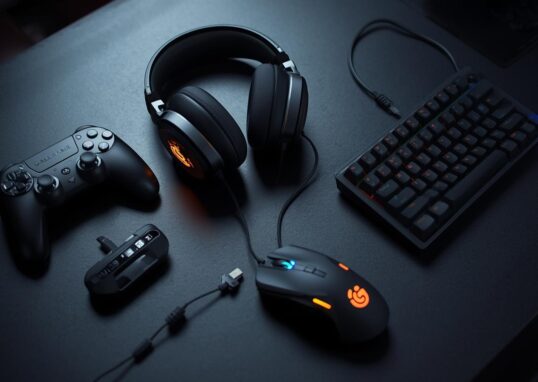
Gaming Accessories: The Ultimate Guide to Enhancing Your Gaming Experience
Gaming has evolved far beyond being just a hobby. In the United States, gaming is now a mainstream form of entertainment, competition,...
Read out all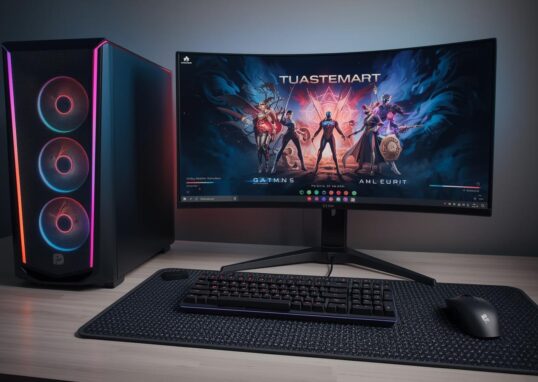
Premium Games: The Ultimate Gaming Experience for Serious Players in the USA
The gaming industry in the United States has evolved far beyond casual entertainment. Today, gaming is a lifestyle, a competitive arena, and...
Read out all
Gaming Monitors Explained: Refresh Rate, Response Time, and Beyond
In the fast-evolving world of PC and console gaming, a gaming monitor can be just as important as your GPU or CPU....
Read out all
How 5G Technology Is Powering Mobile Gaming
The mobile gaming industry has experienced explosive growth over the past decade, evolving from simple puzzle games into console-quality experiences played by...
Read out all
Gaming Laptops vs Gaming PCs: Performance Tech Breakdown
The debate between gaming laptops vs gaming PCs has been ongoing for years, and in 2026 the choice is more nuanced than...
Read out all
Technology Behind Pro-Level Performance
Introduction: How Technology Is Redefining Elite Performance In today’s hyper-competitive world, pro-level performance is no longer driven by talent alone. From elite...
Read out all